Blog
What to eat and drink at Split's Pazar in August: a seasonal fruit guide
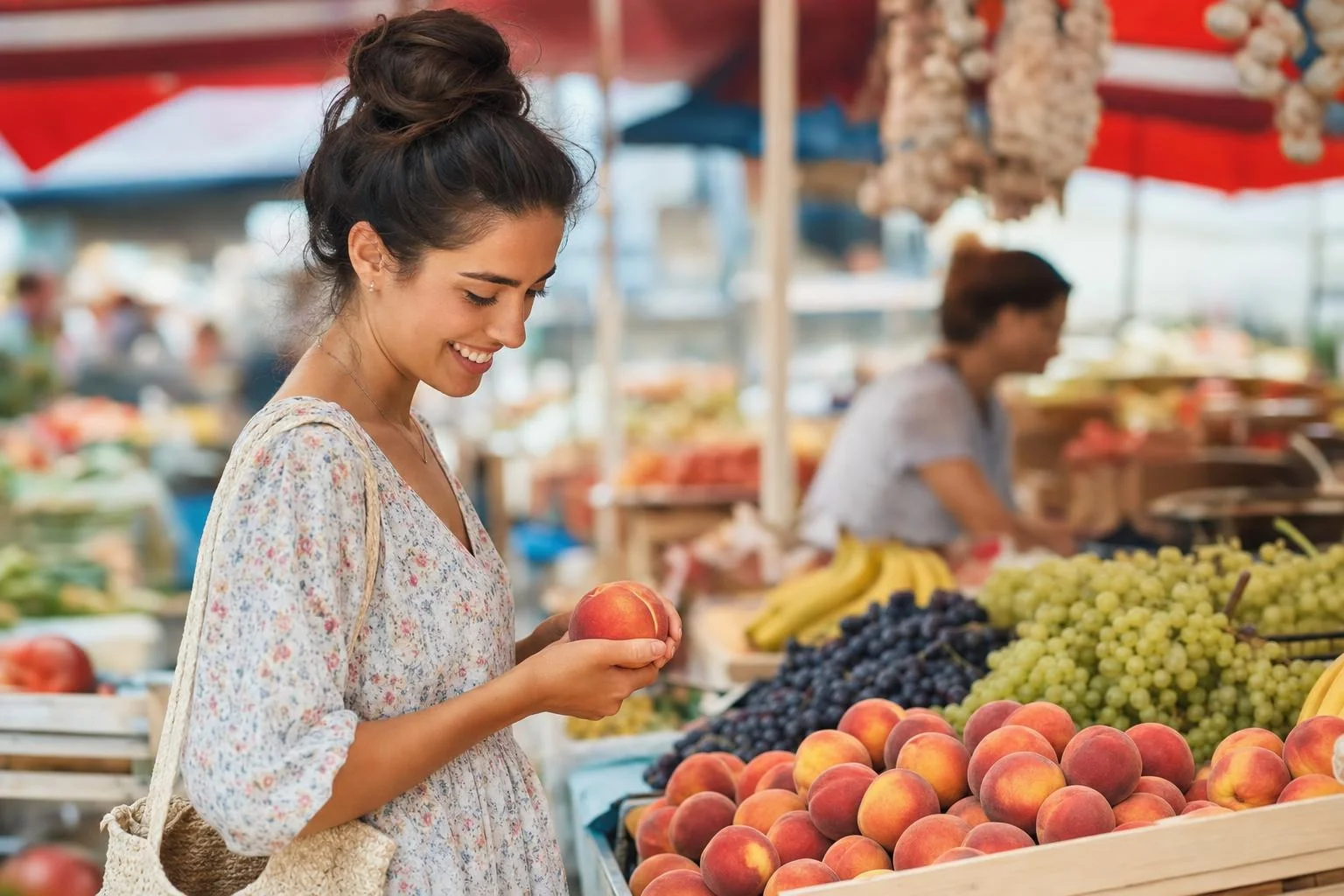
If you love fresh fruit and vegetables, August is the most exciting month of the year. And nowhere do you feel it more than at the Pazar, Split's Green Market, in the heat of a Dalmatian summer. The stalls are bursting with colour: dark purple figs, orange peaches, chilled watermelons and juicy nectarines lined up side by side, smelling of sun and ripeness. If there is ever a right time to visit the Pazar, buy local and treat yourself to a drink that is truly fresh, it is now. In this guide we go through what is at its ripest in August, why seasonal fruit always beats imported fruit, and how to turn it into the perfect juice, smoothie or ice pop.
Why August is special at the Pazar
The Pazar is more than a market. It is the living heart of the city, where generations of local households, family farms and curious visitors meet. But not every month is the same. August brings a real abundance of summer crops that have spent the whole spring and early summer getting ripe. Warm soil, long hours of sun and the Mediterranean climate come together to make Dalmatian fruit exceptionally sweet and fragrant, and never more so than now.
What sets seasonal fruit from the Pazar apart from supermarket fruit is not just freshness. It is when the fruit is picked. The fruit that local family farms bring to the Pazar is picked when it is actually ripe, not weeks early so it can survive shipping and cold storage. That means more sugar, more aroma, more vitamins and minerals, and a much fuller flavour you notice from the very first sip. For cold-pressing and fresh drinks, that difference in ripeness and quality changes everything.
Come to the Pazar early in the morning, ideally between seven and nine. That is when the stalls are at their freshest and the choice is widest. The sellers usually know exactly what was picked the morning before, and many are happy to tell you which farm their figs or peaches come from. That chat with the grower is worth the trip on its own.
Figs: the Dalmatian star of August
It is hard to imagine a Dalmatian August without figs. At this time of year you will find several kinds at the Pazar, from the early green figs, which are milder and less sweet, to the dark, almost black late-season figs full of honey and tannin. Each has its own flavour, but they all share one thing: a very short shelf life. A ripe fig picked this morning will lose its shape by evening, so freshness is everything.
On the health side, figs are an excellent source of natural sugars, potassium, calcium and dietary fibre. They also contain ficin, an enzyme that helps digestion. And despite their sweetness, they have a moderate glycaemic index when eaten fresh and in sensible amounts, which makes them a good fit for people with diabetes. Cold-pressed or blended into a smoothie, figs give a drink body, natural sweetness with no added sugar and a rich, compote-like flavour that goes wonderfully with lemon or ginger.
At the stall, pick figs that are soft to the touch but have no split skin. A drop of white liquid at the stem is a sign of good ripeness. Avoid any with a sour smell, which means they have already started to ferment. Buy only as many as you will eat the same day, or turn them straight into juice or a smoothie.
- Sweet without added sugar, ideal for natural drinks
- A rich source of potassium, calcium and dietary fibre
- Pair beautifully with lemon, ginger, mint and orange
- Shelf life of a freshly picked fig: just 24 to 48 hours
Peaches and nectarines: dripping with juice
Peaches are at their absolute peak in August. This month the Dalmatian stalls are dominated by late varieties: large, deep orange, with flesh so ripe it almost melts. The nectarine, its smooth-skinned sister, is a little firmer and sharper, which makes it a perfect base for refreshing drinks because it balances the sweetness of the other ingredients. Both are very rich in vitamin C, beta-carotene and antioxidants that help fight oxidative stress, which matters most in the summer heat, when the body is working flat out.
Cold-pressed, peaches give a juice with deep colour and a creamy texture. Unlike citrus, peach juice does not keep well. It oxidises fairly quickly and changes colour. That is one more reason why pressing on the spot and drinking it straight away is the only real option. You can genuinely taste the difference between a juice made in front of you and one that has sat in the fridge for even an hour.
For the best peach juice, do not peel them. The skin holds important antioxidants. A rinse in cold water is enough. If you prefer creamier drinks, peach in a smoothie with a banana base and a little yoghurt makes a drink that is a meal and a refreshment in one. Perfect for a summer morning at the Pazar, or after a swim.
Watermelon and melon: hydration in its purest form
Watermelon is the symbol of a Mediterranean summer, and for good reason. It is more than 90 percent water, rich in lycopene, the powerful antioxidant that gives it its red colour and protects cells from damage, and in citrulline, an amino acid that supports healthy blood vessels. In August the Pazar has local Dalmatian watermelons, and also ones from the islands, which are especially sweet thanks to sandy soil and long sunny days.
An ice-cold watermelon juice takes very little. Remove the seeds, cold-press or blend, and you have a drink that is honestly one of the most effective ways to rehydrate a body exposed to summer heat. Its gentle sweetness and high water content make watermelon juice ideal for children and older people, who sometimes forget to drink enough. It cools you down brilliantly too, far better than fizzy drinks, whose sugar and carbon dioxide can actually make you feel thirstier.
Melon gets a little overlooked on the stalls, but do not underestimate it. It is rich in vitamin A and in melatonin, which regulates sleep, and it has a very delicate aroma. In a juice or smoothie, melon adds an almost floral note that goes perfectly with lemon juice, mint leaves or a couple of drops of ginger extract. Choose melons with a deep yellow or orange rind, depending on the variety, that sound hollow when you tap them. That is the sign of a properly ripe fruit.
What else is at the Pazar in August, and why not to skip the vegetables
Alongside all the summer fruit, the August Pazar is full of vegetables that make a great base for green juices and drinks rich in chlorophyll. Cucumbers are in full season and ideal for hydration. Combined with watermelon juice, mint leaves and lemon, they make a drink so refreshing that once you have tried it, you will not get through a summer without it. Swiss chard, which is on Dalmatian stalls almost all year round, is especially young and tender in August and excellent in green smoothies with apple and lemon.
August is the absolute peak for Dalmatian tomatoes. Red, orange and yellow, from cherry tomatoes to big heavy ones, each kind has its own balance of sweet and sharp. Tomato juice, made cold and seasoned with a little sea salt, basil and a drop of olive oil, is not just a drink but almost a starter. Gazpacho in a glass, you might say. This combination is a good source of lycopene, vitamin C and potassium, and being low in calories it is perfect for a summer detox.
Do not forget the herbs that local family farms bring to the Pazar: mint, sage, lemon balm and marigold. Fresh mint in a watermelon juice or a peach smoothie changes the whole drink. It gives a cooling effect that lingers after the last sip. Sage and lemon balm work beautifully in teas, hot or cold, which are just as good a way to cool down as fruit drinks.
- Cucumber + watermelon + mint + lemon = the ultimate summer hydration drink
- Swiss chard and apple + lemon = a simple green smoothie rich in iron
- Tomato + sea salt + basil = a summer starter you can drink
- Fresh mint from the Pazar: a natural cooling effect with no calories
Ice pops: a forgotten summer treat making a comeback
One of the loveliest ways to use seasonal fruit from the Pazar is handmade ice pops from natural ingredients, with no added sugar and no preservatives. The idea is simple: freshly pressed or blended juice, a mould and a freezer. But when you make them from watermelon and mint, fig and orange, or peach with ginger and lemon, you get something that is a dessert, a cooler and a healthy snack all at once.
For parents with small children, a fresh fruit ice pop is a fantastic alternative to factory-made ice lollies full of artificial colours and flavours. Children instinctively love strong fruity flavours, and once they learn the difference between real fruit and artificial flavouring, they become more discerning, which in the long run is great for their health. A summer visit to the Pazar, and seeing what a really ripe fig or peach looks like, is a precious experience children remember.
Handmade ice pops from seasonal fruit are beautiful too. In a clear mould, pieces of fruit make incredible colours and patterns that look almost like little works of art. A frozen mint leaf, a slice of lemon and a big chunk of watermelon in one mould look as good as they taste. If you have moulds at home, buy some seasonal fruit from the Pazar this week and give it a go. The results will surprise you.
Tips for a summer visit to the Pazar: how to shop smart
A visit to the Pazar in August can be both an experience and a food adventure, as long as you know a few practical things. Come early, between seven and nine in the morning. That is when the produce is freshest, the crowds are still bearable and the sellers are in the mood for a chat. Bring your own cloth bag or basket. Plastic bags are getting rarer, and a basket looks much nicer anyway. Do not be shy about asking whether the fruit was picked this morning or the day before. It is a fair question, and every good seller respects it.
Buy only what you can eat in a day or two. Seasonal fruit, especially figs and peaches, is not made to keep. That is part of its nature. If you buy too much, process it straight away: juice or a smoothie keeps in an airtight bottle in the fridge for up to 24 hours, and an ice pop keeps in the freezer for a week. That way nothing goes to waste and you get the most out of every piece of fruit.
Talk to the local family farmers. Many of them have lesser-known varieties you will not find in the usual range: old native kinds of small peaches, green figs with different flavours, or fragrant melons from the islands. That variety is part of what makes the Pazar special compared with any supermarket. And never forget: a kilo of ripe local watermelon at the Pazar is almost always cheaper than in a supermarket chain, and the quality is not even close.
- Come between 7 and 9 in the morning for the freshest produce
- Bring your own bag or basket
- Ask whether the fruit was picked this morning. Every good seller knows
- Buy small amounts, and juice or blend them straight away if you are not sure you will eat them
- Talk to the family farmers. They often have rare varieties that are not on display
August at the Pazar does not last long, but its flavours stay with you. Ripe figs, fragrant peaches, chilled watermelons and fresh herbs are just waiting to be turned into something that refreshes and feeds you the proper Mediterranean way. That is exactly why Pulpa's juice bar is at the Pazar: to take the best seasonal fruit and vegetables, straight from the local stalls, and make the juice, smoothie or ice pop that is perfect for this time of year. Every drink is made in front of you, to order and without compromise. Come and see us, get in touch in advance with a special request, or just ask what is freshest today. We will be glad to tell you.
Frequently asked questions
What fruit is available at the Pazar in August?
August is one of the richest months at the Pazar. Figs (green and dark), peaches, nectarines, watermelons, melons, grapes and plums are all in full season, along with plenty of vegetables such as cucumbers, tomatoes and peppers. Local family farms bring fruit picked the same day, which means peak ripeness and flavour.
Why is cold-pressed juice from seasonal fruit better than shop-bought juice?
Cold-pressing keeps the vitamins, minerals and enzymes that heat destroys. Freshly picked seasonal fruit from the Pazar plus cold-pressing means the most nutrients and a full, natural flavour, with no preservatives, added sugar or flavourings. Shop-bought juices are pasteurised and sit around for a long time, which greatly reduces their nutritional value.
How do I tell a ripe fig at the Pazar?
A ripe fig gives slightly under gentle pressure, its skin is fully developed and a little taut, and sometimes there is a drop of white liquid at the stem. Avoid figs with split skin or a sour smell, which means fermentation has started. Ripe figs should be eaten or processed the same day, because they keep for a very short time.
Can I order a juice or smoothie from Pulpa in advance?
Yes. Pulpa takes orders in advance, which is especially handy for larger quantities, special combinations or ice pops. You can get in touch by phone or email and arrange what you would like, based on the seasonal fruit available.
Have a special request or an order for fresh juice, smoothies or ice pops made from seasonal fruit? Get in touch with Pulpa in advance. Guaranteed fresh, made the way you want it.
Contact us