Blog
Cold-pressed juice in summer: why it beats iced tea and fizzy drinks
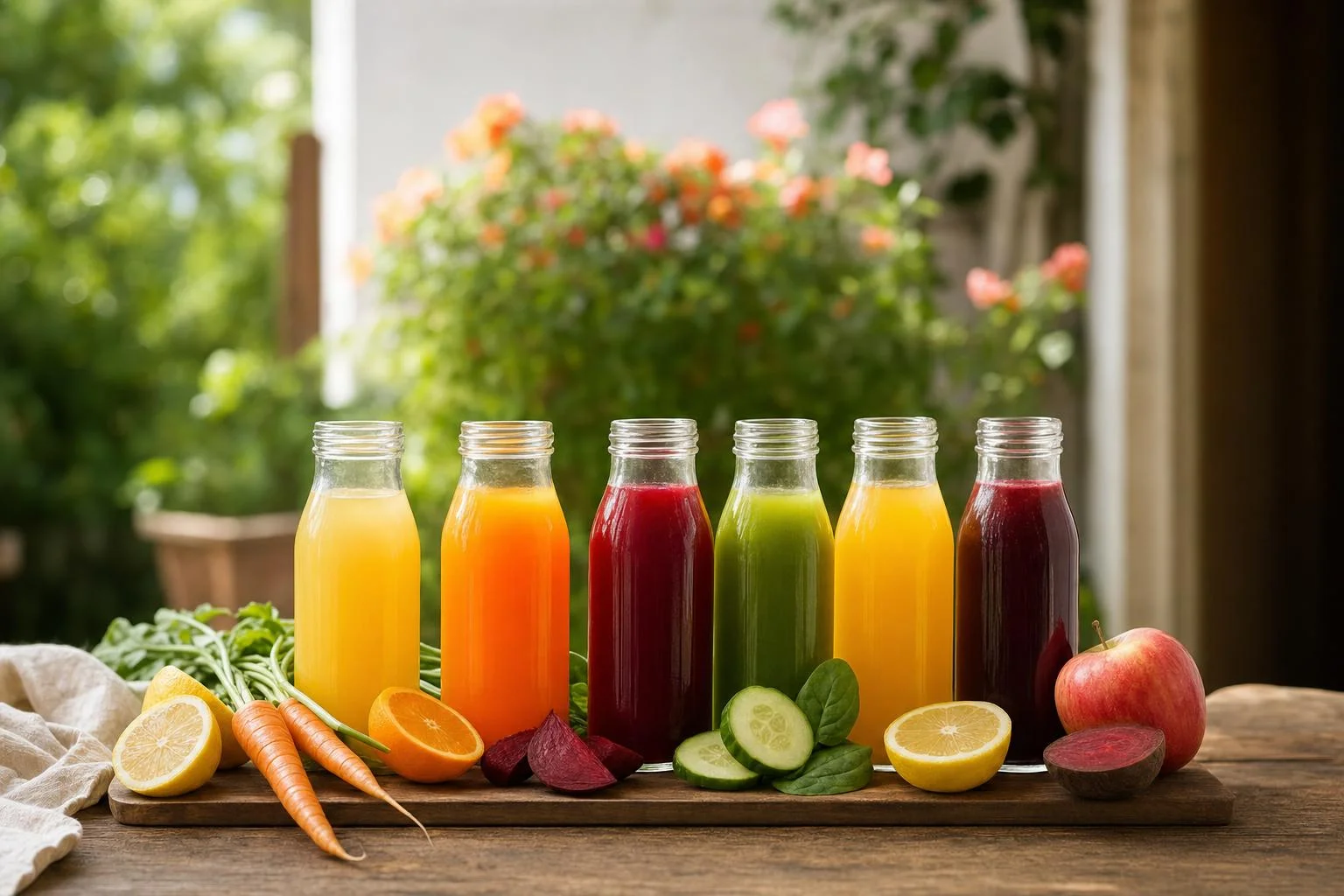
Once the thermometer climbs past thirty degrees, the body wants liquid: fast, cold and plenty of it. Shop shelves and cafés all over Croatia offer no shortage of choice: bottled iced tea, fizzy cola, fruit cordial with water or brightly coloured energy drinks. But all of them share one problem, and you feel it most in the heat. They are full of sugar, additives and things that actually dehydrate the body instead of quenching it. Cold-pressed juices are taking their place more and more often, and with good reason. In this article we compare what we are really drinking when we choose between these popular summer drinks, and why more and more people in Split come for a glass of fresh juice instead of a bottle of something fizzy.
What is really in a bottle of iced tea?
Iced tea has the image of a healthy, natural refreshment. It brings to mind summer heat, shade and holidays, and it is marketed perfectly as the ‘lighter’ alternative to fizzy drinks. Turn the bottle around and read the label, though, and the picture changes. The average half-litre bottle of commercial iced tea contains between 25 and 35 grams of added sugar. That is the equivalent of six to eight teaspoons of white sugar. Alongside the sugar there are usually flavourings, acidity regulators, preservatives and colourings. The amount of actual tea in it is surprisingly small.
That much sugar sends blood glucose up fast, then brings it down just as fast. In the heat, that means tiredness, irritability and, ironically, more thirst. The body uses water to process and flush out the excess sugar, so the commercial drink we bought to quench our thirst actually leaves us thirstier than before. That is not an exaggeration. It is the basic physiology of how the body handles sugar.
Homemade iced tea with no added sugar is certainly a better option than the commercial version, and there is no need to demonise it. But when it comes to the nutrients the body really needs in the heat – vitamin C, minerals, enzymes and antioxidants – iced tea simply cannot compete with freshly pressed juice made from real fruit and vegetables. Tea is mostly flavoured water. Juice from fresh fruit and vegetables is food in liquid form.
Fizzy drinks: refreshment that dries you out
Fizzy drinks – cola, lemonades, energy drinks and all sorts of carbonated fruit drinks – are the most widely consumed summer drinks in the world, and Croatia is no exception. Part of the reason is psychological: the bubbles create a feeling of ‘lightness’ and coolness in the throat, which briefly takes the edge off the heat. But the effect is short-lived and misleading. A classic half-litre cola contains around 53 grams of sugar, plus phosphoric acid, which interferes with the absorption of calcium and magnesium – minerals that matter all the more in summer, because we lose them through sweat.
Caffeinated drinks like cola and energy drinks add another layer to the problem. Caffeine is a mild diuretic, which means it makes you pass more water and so lose more fluid. In the heat, when you are already sweating, that can be a road to dehydration. Research shows that people who drink mostly caffeinated fizzy drinks instead of water in summer often fail to notice how hydrated they really are, because they are used to the false ‘thirst quenching’ those drinks briefly provide.
On top of all that, fizzy drinks contain practically no nutrients at all: no vitamins, no minerals, no fibre, no enzymes. The calories are ‘empty’, and they give the body nothing but a short burst of energy followed by a crash. Compare that with a glass of cold-pressed beetroot, carrot and apple juice, which contains folate, potassium, vitamin C and natural sugars with fibre that are absorbed more slowly. The difference is structural, not just a matter of what is written on the label.
What cold pressing actually is, and why it matters in summer
Cold pressing (also known as slow juicing) is a way of extracting juice without heat and without fast-spinning blades that warm the fruit and vegetables through friction. Instead, the ingredients are slowly crushed and pressed, either by hydraulic pressure or by a screw mechanism, so the temperature of the juice never rises above about 40 degrees Celsius. Why does that matter? Because many vitamins, especially vitamin C and the B vitamins, are sensitive to heat and break down at higher temperatures. The enzymes needed to digest and absorb nutrients are even more delicate.
In summer this matters for two reasons. First, in the heat the body uses more antioxidants to cope with the oxidative stress caused by the sun's UV rays and a higher body temperature. The vitamin C, beta-carotene, lycopene and lutein found in fresh fruit and vegetables help directly with that defence. Second, we lose electrolytes through sweat – sodium, potassium, magnesium and calcium – and the body needs to replace them quickly and efficiently. Cold-pressed juices made from citrus, leafy greens, cucumber and beetroot are rich in exactly those minerals.
Speed of absorption matters too. Because cold-pressed juice has little or no fibre (it stays behind in the pulp), the nutrients pass into the bloodstream quickly, faster than when we eat whole fruit. In summer, when the body needs a quick top-up of fluid and nutrients, that is an advantage, not a drawback. Fibre is important in the diet, of course, but when it comes to quick refreshment and rehydration, juice really is functional food, not just a drink.
Comparing sugar: not all sugar is the same
One of the most common criticisms of juice, even freshly pressed juice, is that it ‘has a lot of sugar’. There is some truth in that, but it calls for a distinction that everyday conversation tends to skip. The sugar in commercial iced tea or fizzy drinks is mostly high-fructose corn syrup or refined sucrose: simple sugars with no nutritional context whatsoever. The body absorbs them in a flash. Glucose spikes, insulin reacts, energy drops.
The natural sugars in fresh fruit – fructose and glucose – come as a package with fibre (if we drink juice with the pulp or eat the fruit), water, vitamins and phytochemicals. Even in juice without fibre, these natural sugars are not biochemically identical to refined sugar. They come with polyphenols that slow absorption and antioxidants that soften the oxidative stress a high sugar level can cause. Still, be sensible: pure fruit juice is not water, and drinking litre after litre of it without any measure is not a good idea.
The key difference in practice is this: the industry adds sugar to iced tea and fizzy drinks that was never meant to be there. In freshly pressed juice, the sugar is whatever was naturally in the fruit or vegetable, and it comes with a whole ecosystem of micronutrients. On top of that, good juice bars – like those that use local, seasonal fruit and vegetables – often combine fruit with vegetables such as cucumber, spinach, celery or ginger, which brings the overall sugar content down considerably while the nutritional value goes up.
A practical tip: if you are worried about sugar in juice, look for combinations where vegetables make up at least half of the ingredients. A juice of cucumber, celery, lemon and apple will have far less sugar than a pure mango and apple juice, and just as many vitamins and minerals, or more. It will refresh you without the glucose spike you know from commercial drinks.
The refreshing effect: short-lived illusion or real relief?
There is a difference between feeling refreshed and the body actually being refreshed. Packaged fizzy drinks and iced teas mostly deliver the first: a sensory hit of cold, fizz and sweetness that the brain registers as pleasure, but that the body cancels out quickly. Cold-pressed juices work differently. They rehydrate the cells through electrolytes and minerals, feed the tissues with vitamins and enzymes, and keep energy levels steady without sudden drops.
Cucumber is almost 97 per cent water and rich in potassium ions, which regulate the fluid balance in the cells. Watermelon contains lycopene and citrulline along with a lot of water. Mint and ginger have a natural cooling or warming effect that improves circulation and helps the body regulate its temperature. Put these ingredients in a cold-pressed juice and you get a drink that works on several levels at once, and the industry simply has no answer to that.
In the long run, regularly drinking fresh juice instead of fizzy drinks and commercial iced tea helps the skin (which suffers in summer from sun and dehydration), lifts mood and concentration, and keeps energy steadier through the day. These are benefits you will not find in a bottle of shop-bought iced tea, because they require living nutrients, and living nutrients only come from freshly processed fruit and vegetables.
Refreshment that really lasts is not what you feel in the first second of the first sip. It is what carries you through the whole afternoon without thirst, tiredness or a craving for yet another bottle. A cold-pressed juice made from fresh, local fruit and vegetables, with no preservatives and no added sugar, is the only summer drink that can deliver that consistently.
Local and seasonal fruit: why where it comes from changes everything
It is not all the same which fruit and vegetables your juice is made from. Imported fruit grown in industrial conditions, picked unripe so it survives transport and ripened in cold storage, has noticeably lower levels of vitamins and antioxidants than fruit picked ripe, grown locally and sold within a few days. This is not a marketing story. It is an established difference in chemical composition, documented in food science.
Local family farms that grow fruit and vegetables using traditional methods, without excessive pesticides and fertilisers, produce food with a higher share of secondary metabolites: the very polyphenols, flavonoids and vitamins that make fresh juice a functionally valuable drink. A juice bar that sources from such farms is not just offering refreshment. It is offering a local value chain that supports small producers and keeps the produce fresh from field to glass.
Seasonality matters just as much. Strawberries are full of vitamin C in June, not in December. Melon and watermelon reach their nutritional peak in July and August. Local figs in September offer fibre and calcium that imported fruit sitting in a fridge for weeks does not have. When you choose a seasonal juice, you are not only choosing what tastes best right now. You are choosing what is nutritionally richest at that moment.
How to choose a drink wisely in the heat: a practical guide
If you are out in the summer heat and need refreshment fast, here are some concrete guidelines you can use straight away. Always go for a drink made from fresh produce on the spot. That is the only guarantee that there are no preservatives and that the nutrients are still alive. Juice that has sat in the fridge for more than 24 to 48 hours loses its vitamin profile and oxidises. Freshness is, quite literally, the key.
Combine fruit and vegetables in your juice. Add cucumber, celery or spinach to sweet fruit and you will cut the sugar, boost the minerals and get a greener, more refreshing flavour that turns out to be excellent in the heat. Ginger and lemon are classic additions that improve nutrient absorption and give the flavour some ‘life’ without added sugar. Mint does more than refresh the taste: it cools the mouth and helps digestion, which often struggles in summer.
Do not forget to drink water alongside your juice. Even the most nourishing juice is no substitute for plain water; the body needs both. But when the choice is between bottles on a shelf and freshly pressed juice made in front of you, the decision is clear. Local juice wins on every front: nutrition, sugar, refreshing effect and support for local producers. It is a decision you will not regret.
- Choose juice pressed on the spot, not juice from a bottle or carton
- Look for combinations with vegetables (cucumber, celery, spinach) alongside the fruit
- Add ginger or mint for natural refreshment and better digestion
- Avoid drinks with added sugar, flavourings and preservatives
- Drink water alongside your juice; hydration works on several levels
- Give preference to seasonal, local fruit and vegetables
Next time summer hits you at full strength and you reach for a cold drink, pause for a moment and ask yourself what you are really drinking. The industry is good at creating the illusion of refreshment, but your body knows the difference between flavoured sugar water and real, living juice made from freshly picked carrot, lemon, ginger and cucumber. Pulpa juice bar at the Pazar, Split's Green Market, makes cold-pressed juices, smoothies and refreshing drinks from fresh, local fruit and vegetables: no preservatives, no added sugar, no compromises. Every drink is made in front of you or to your order, from produce bought from local family farms. Get in touch and arrange your order in advance. Freshness guaranteed.
Frequently asked questions
Why is cold-pressed juice healthier than commercial juice from a carton or bottle?
Commercial packaged juices are pasteurised (heated), which destroys vitamins and enzymes, and then preservatives and flavourings are added. Cold-pressed juice uses no heat during extraction, so the vitamins, minerals and enzymes are kept in their natural form. On top of that, it contains no added sugar and no preservatives.
How much sugar is in bottled iced tea compared with cold-pressed juice?
A half-litre bottle of commercial iced tea contains on average 25 to 35 grams of added sugar (refined sugar or high-fructose syrup). Cold-pressed fruit and vegetable juice contains natural sugars with nothing added, and by combining fruit with vegetables such as cucumber or celery that share can be brought down considerably.
Is cold-pressed juice good for rehydration in summer?
Yes, especially juices high in electrolytes such as potassium, magnesium and sodium, which are found in cucumber, celery, lemon and leafy greens. These minerals help the body hold on to fluid at the cellular level, which is crucial in summer when we lose electrolytes through sweat. Alongside juice, always drink plain water too.
Can cold-pressed juice replace meals in summer?
Juice is not a meal replacement, but it is an excellent addition to the diet, especially in summer when the heat takes the edge off your appetite. You can pair a juice with a light meal, some fruit or a little protein. Smoothies that include the fruit pulp are closer to a meal, because they contain fibre that fills you up.
Have a special order, or want to know which juices are available this week? Contact Pulpa and arrange your glass of fresh, local refreshment.
Contact us